
Titanium Demand in New Energy Vehicles Surges in 2026: What It Means for the Supply Chain
Global titanium consumption in the new energy vehicle sector has grown sharply in 2026, driven by hydrogen fuel cell bipolar plates, EV battery casings, and lightweight structural components. This article examines the market data, key applications, and supply chain implications for titanium producers and buyers.
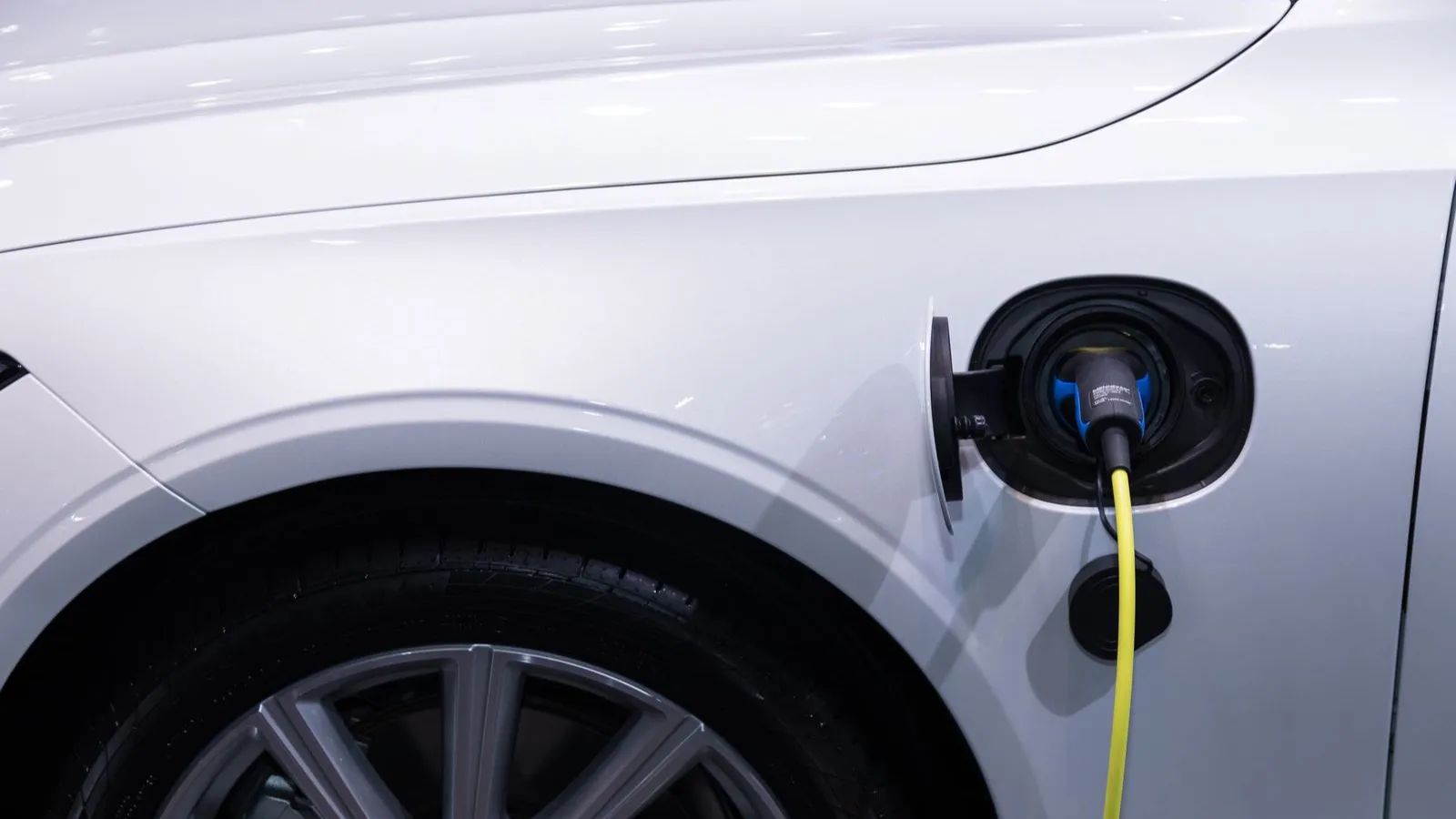
EV and Hydrogen Vehicle Production Drives Record Titanium Uptake
The global new energy vehicle (NEV) sector consumed an estimated 12,800 tonnes of titanium mill products in the first half of 2026, a 34% increase over the same period in 2025, according to industry data compiled from the International Titanium Association (ITA) and Chinese customs statistics. This acceleration marks the first time that NEV applications have overtaken traditional chemical processing as the fastest-growing end market for titanium, signaling a structural shift in demand patterns that titanium producers and procurement teams need to understand.
The growth is not coming from a single application. Three distinct use cases are converging simultaneously, each pulling different titanium product forms and grades into the automotive supply chain.
Hydrogen Fuel Cell Bipolar Plates: The Biggest Growth Driver
Proton exchange membrane (PEM) fuel cells require bipolar plates that are electrically conductive, corrosion-resistant in the acidic cell environment (pH 2-3, 80 °C), and thin enough to minimize stack volume. Titanium has emerged as the material of choice for next-generation bipolar plates, displacing graphite composite plates that dominated early fuel cell designs but could not meet the thickness and weight targets required for automotive packaging.
Global hydrogen fuel cell vehicle production is projected to reach 185,000 units in 2026, up from 118,000 in 2025. Each fuel cell stack requires 300-400 bipolar plates, and each plate consumes approximately 50 g of Grade 1 titanium thin strip (0.05-0.10 mm thickness). At the vehicle level, this translates to 15-20 kg of titanium per fuel cell vehicle — a significant material intensity compared to the near-zero titanium content in conventional internal combustion engine vehicles.
China, South Korea, and Japan account for over 80% of global fuel cell vehicle production. Chinese manufacturers alone have ordered over 3,500 tonnes of Grade 1 ultra-thin titanium strip for bipolar plate production in H1 2026, with Baoji-region producers fulfilling the majority of this demand.
EV Battery Enclosures and Structural Lightweighting
Battery electric vehicles (BEVs) are adopting titanium in two areas: battery pack enclosures and structural body components. Premium EV manufacturers are specifying Grade 2 titanium sheet (1.0-2.0 mm) for battery pack bottom plates, replacing aluminum alloy designs that suffered puncture vulnerability in real-world road debris impacts. Titanium's combination of high specific energy absorption, corrosion immunity to battery electrolyte leaks, and non-sparking behavior under impact makes it an increasingly attractive safety material for high-voltage battery protection.
The volumes remain modest compared to fuel cell applications — an estimated 2,100 tonnes globally in H1 2026 — but the trend is accelerating as Chinese and European OEMs move from pilot programs to series production. Several Tier 1 battery pack suppliers have issued long-term supply agreements for Grade 2 titanium sheet with annual volumes of 500-1,000 tonnes each.
Titanium in EV Motor and Powertrain Components
A smaller but technically significant application is emerging in EV powertrain components. High-performance electric motors benefit from titanium alloy (Grade 5 or Grade 9) fasteners, shafts, and spring components that reduce rotating mass and improve power density. While the per-vehicle titanium consumption is small (0.5-2.0 kg), the rapidly expanding EV production base — over 18 million BEVs projected globally in 2026 — creates meaningful aggregate demand.
Supply Chain Implications
The NEV sector's titanium demand growth has three practical implications for the supply chain:
Grade 1 ultra-thin strip capacity is tight. The fuel cell bipolar plate market requires Grade 1 strip at 0.05-0.10 mm thickness with surface roughness below Ra 0.2 μm — a specialty product that only a handful of mills can produce at scale. Lead times for this product have extended from 4-6 weeks in early 2025 to 8-12 weeks in mid-2026. Buyers should plan procurement 3-6 months ahead.
Grade 2 sheet demand is broadening. Battery enclosure applications are competing with traditional chemical processing and marine buyers for Grade 2 sheet in the 1.0-2.0 mm range. Mill order books are full through Q4 2026 for standard sizes, though custom widths remain available with 6-8 week lead times.
Quality requirements are automotive-grade. NEV applications demand tighter surface quality, dimensional tolerance, and traceability than many traditional titanium end markets. Suppliers without automotive quality management systems (IATF 16949 or equivalent) will find it difficult to participate in this growing segment.
For titanium buyers in traditional sectors — chemical processing, marine, aerospace — the key takeaway is that the NEV demand surge is tightening supply for commodity grades (Grade 1 and Grade 2) in thin-gauge product forms. Locking in supply agreements and extending planning horizons is prudent for the remainder of 2026 and into 2027.
Frequently Asked Questions
How much titanium is used in a hydrogen fuel cell vehicle?
A typical PEM hydrogen fuel cell vehicle uses 15-20 kg of titanium, primarily in the form of Grade 1 ultra-thin strip (0.05-0.10 mm thickness) for bipolar plates. Each fuel cell stack contains 300-400 bipolar plates, with each plate consuming approximately 50 g of titanium. This material intensity is significantly higher than conventional vehicles, which contain near-zero titanium.
Why are EV manufacturers switching to titanium battery enclosures?
Premium EV manufacturers are adopting Grade 2 titanium sheet (1.0-2.0 mm) for battery pack bottom plates because titanium offers superior puncture resistance compared to aluminum alloy, complete corrosion immunity to battery electrolyte leaks, and non-sparking behavior under road debris impact. These safety properties make titanium increasingly attractive for protecting high-voltage battery packs in series production vehicles.
What titanium grades are used in new energy vehicle applications?
Three grades dominate NEV applications: Grade 1 (commercially pure, low oxygen) for fuel cell bipolar plates requiring ultra-thin strip with excellent formability; Grade 2 for battery pack enclosures and structural sheet components; and Grade 5 or Grade 9 for high-performance EV motor fasteners, shafts, and springs where higher strength-to-weight ratio is needed.
Related Reading

TITANIUM USA 2026: What Buyers and Engineers Should Expect at This Year's Premier Titanium Conference
A preview of TITANIUM USA 2026, the International Titanium Association's annual conference and exhibition in Orlando — covering key themes, exhibitor highlights, technical sessions on additive manufacturing and sustainability, and practical guidance for attendees planning procurement meetings.

Q3 2026 Titanium Market Update: Aerospace Demand Drives Sponge Prices to 18-Month High
A quarterly snapshot of global titanium market conditions heading into Q3 2026 — covering sponge pricing, mill product demand by sector, China export volumes, and supply-side capacity changes that procurement teams should factor into forward contracts.

CNC Machining Titanium: Cutting Parameters, Tool Selection, and Cost Reduction Strategies for Production Shops
A practical engineering guide to CNC machining titanium alloys — covering why titanium is difficult to cut, optimal speeds and feeds for common grades, tooling strategies that extend tool life by 3–5x, and real-world cost data from production environments.

Titanium Sheet and Plate Buyer's Guide: Grades, Sizes, Tolerances, and Ordering Tips
A concise reference for procurement engineers comparing titanium sheet and plate products — covering commercially pure and alloy grades, standard sizes per ASTM B265, surface finishes, and how to specify your order correctly.